
10 reasons to book with us
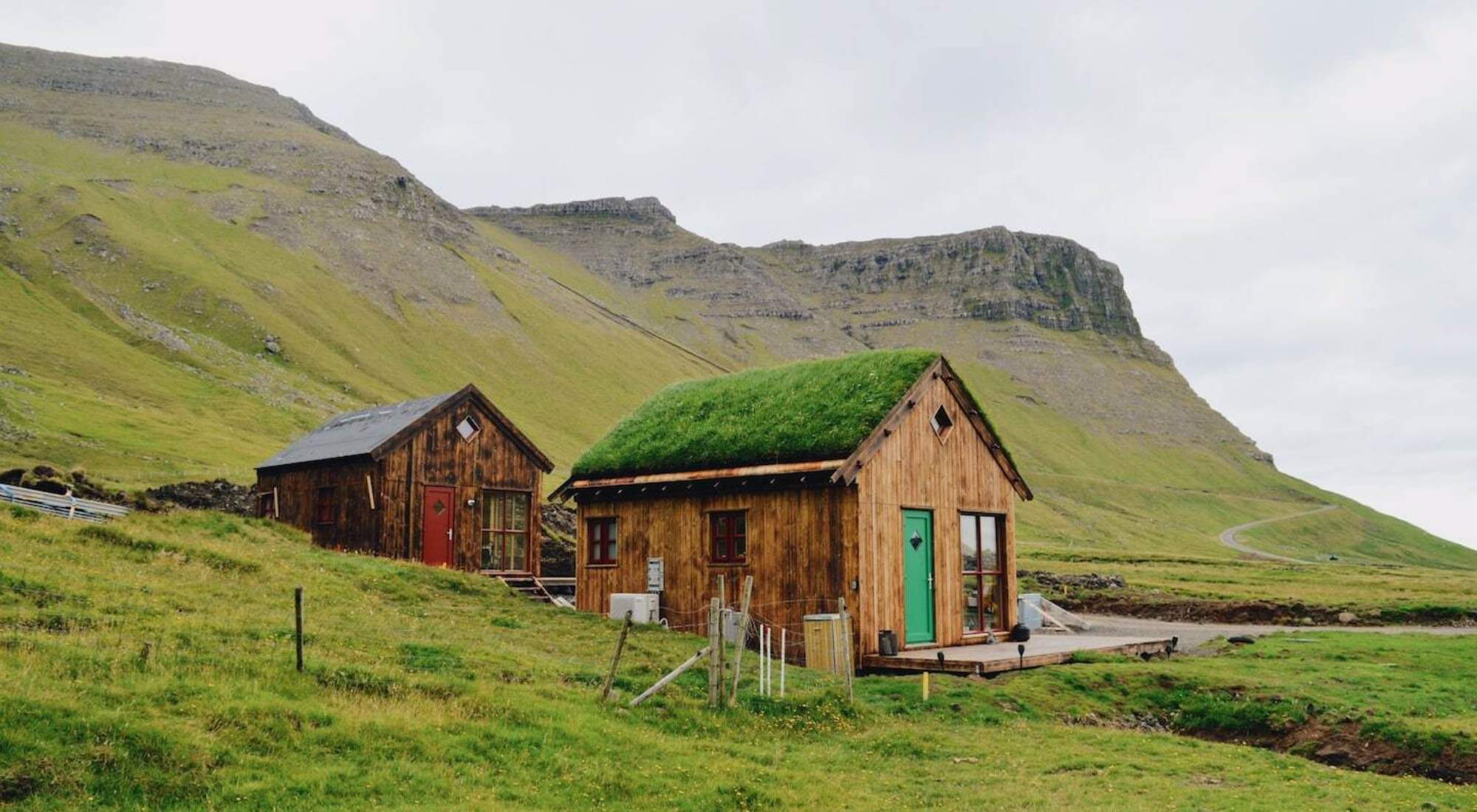
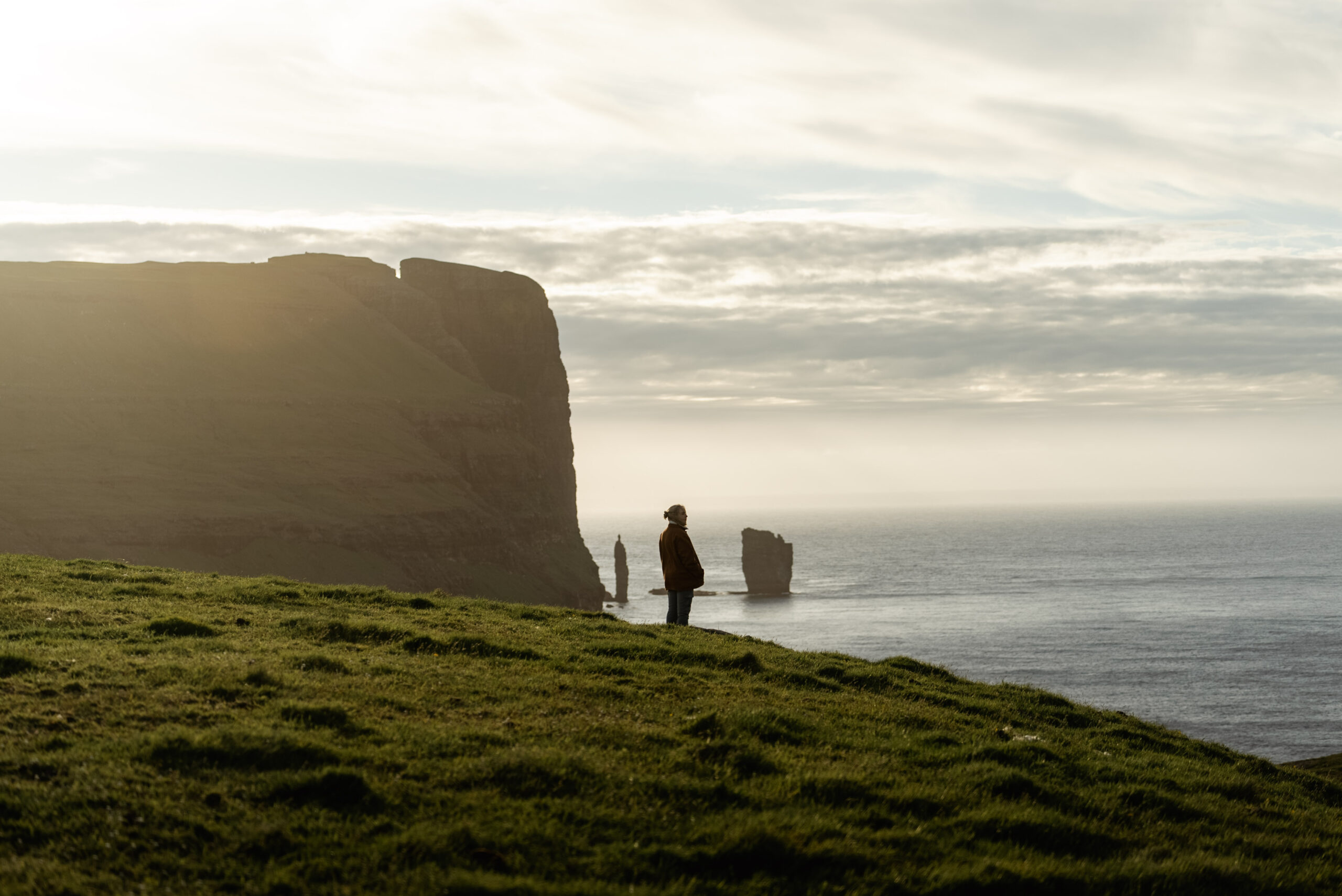
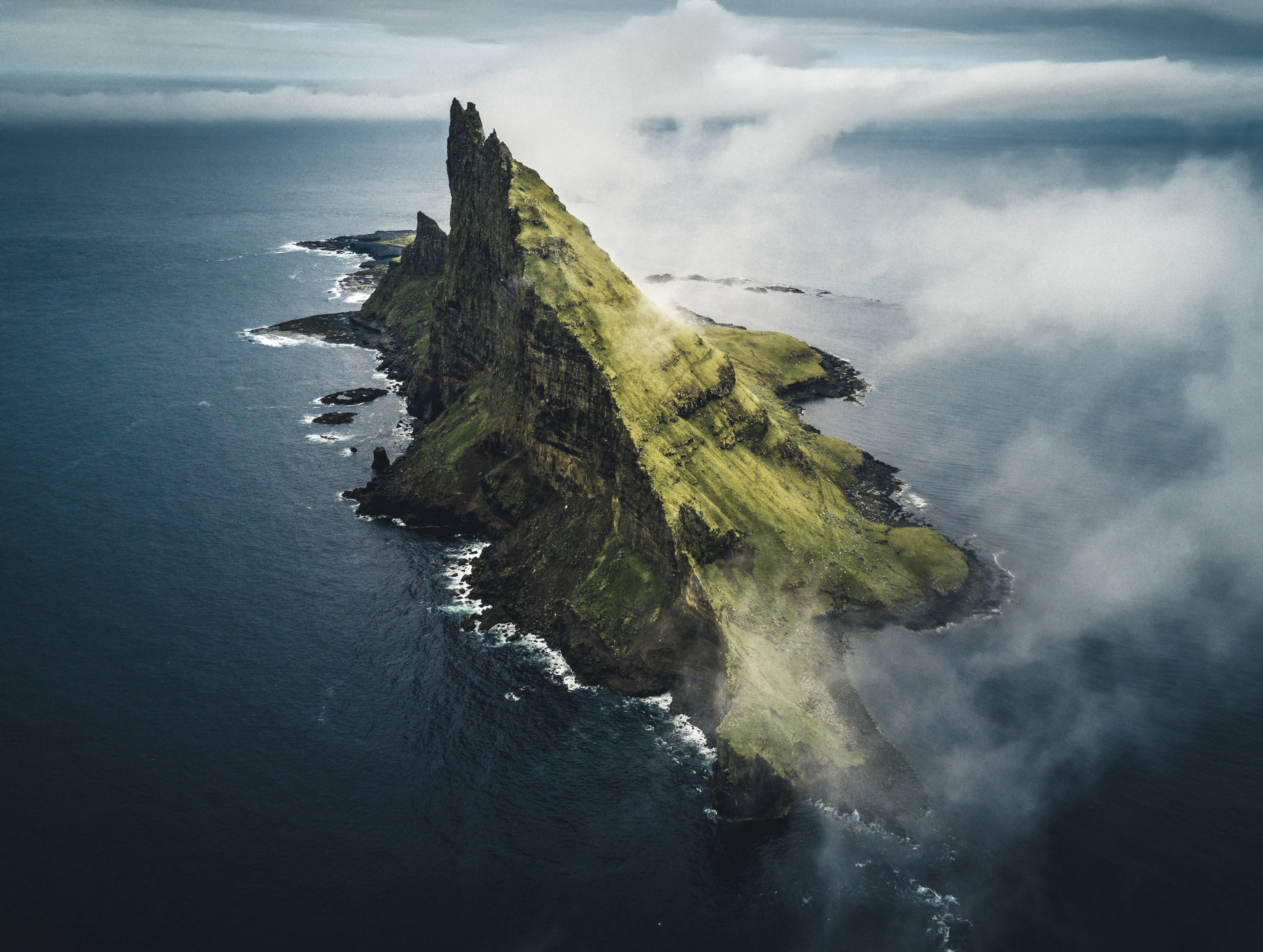

The Faroe Islands change beautifully with the seasons, offering something unique throughout the year. From endless summer daylight and vibrant festivals to peaceful winter nights beneath the northern lights, each season brings its own kind of magic. At REMÓT Travel, we help you choose the best time to visit based on what you want to experience, whether it is adventure, relaxation, or authentic cultural immersion, and craft a journey that perfectly matches your vision.
A multi-island trip is often the best way to experience the Faroe Islands because the archipelago’s landscapes, villages, and experiences are spread across multiple islands rather than centered in one place. Each island offers its own scenery, atmosphere, and pace, so exploring multiple islands gives travelers a fuller sense of what makes them so special.
Planning travel here also requires more flexibility. A rigid itinerary can be difficult to follow when conditions shift throughout the day. Weather can change quickly and affect visibility, hiking conditions, ferry schedules, and access to certain areas.
Also, some islands are connected by tunnels and bridges, while others require ferries or more remote access planning. Because of this, building a successful itinerary involves more than choosing destinations. It requires understanding how the islands connect and choosing how to get around.
For travelers looking to make the most of their time across the archipelago, working with local experts like REMÓT Travel can help turn a complex planning process into a seamless, personalized journey.
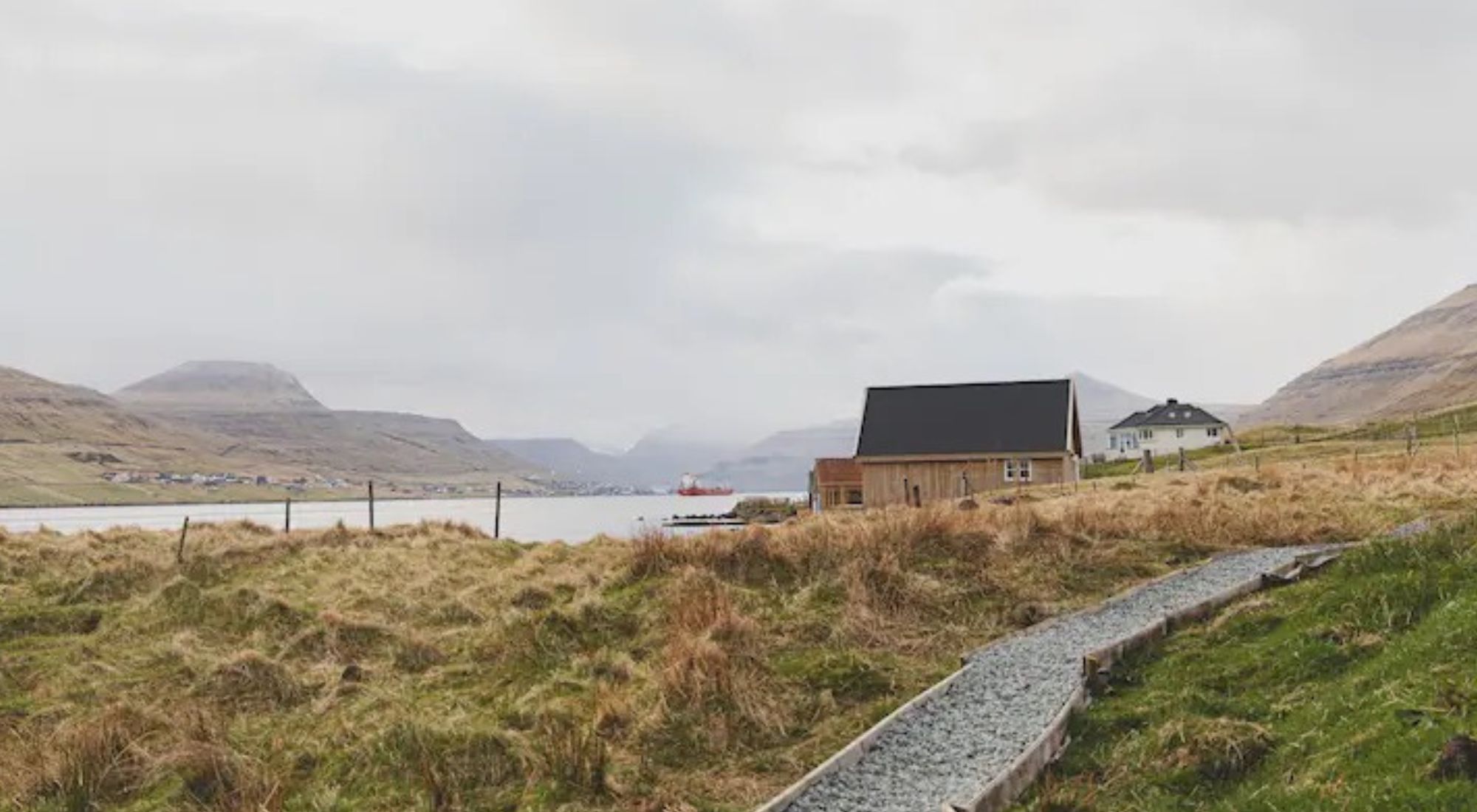
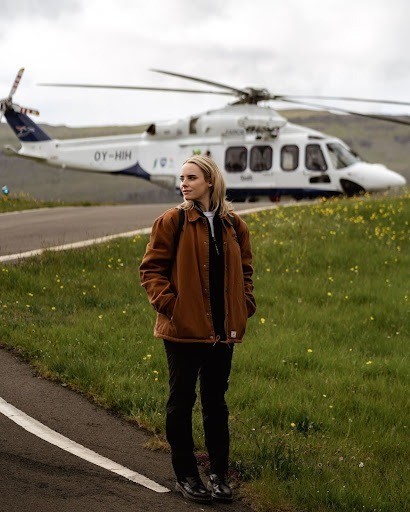
The Faroe Islands may look compact on a map, but how each island is connected plays a major role in trip planning. Several of the most visited islands are linked by bridges and subsea tunnels, making them easy to explore by car in a single day. Others require ferries, and a few more remote islands have limited transport options, such as helicopter service. Before building your itinerary, it helps to understand which islands can be combined easily and which require more dedicated time.
Once you understand how the islands connect, the next step is creating a route that flows naturally. Group nearby islands and attractions together to reduce unnecessary driving and backtracking.
Some travelers prefer using one central base for most of the trip, while others move accommodations as they progress through the islands. Either way, organizing your own tour strategically can help you spend less time in transit and more time enjoying the Faroe Islands.
The weather in the Faroe Islands can change quickly, sometimes several times in one day. Rain, fog, and wind can affect ferry schedules, hiking safety, and even whether certain viewpoints are visible at all. Because of this, flexibility should be built into every itinerary.
Try not to over-schedule each day, and avoid making your plan so rigid that one weather shift disrupts the entire trip. Leaving room to adjust your route or swap activities can make for a much smoother and more enjoyable experience.
Where you stay can shape the entire flow of your trip. Some travelers choose one central base and take day trips from there, while others prefer splitting their stay across multiple areas to reduce daily driving.
Staying in one place can simplify logistics, but moving accommodations may allow for deeper exploration of more remote islands. The best option depends on how much time you have, how much driving you are comfortable with, and the type of pace you want for your trip.
If you are unsure which approach best fits your itinerary, a custom planner like REMÓT Travel can help match your accommodations to the pace and experiences you want.
A memorable Faroe Islands trip is about more than checking viewpoints off a list. The best itineraries are built around the experiences you want to have in each place, whether that means hiking dramatic coastal trails, meeting local hosts, enjoying Faroese cuisine, or spending quiet time in remote villages.
Focusing only on locations can lead to a rushed trip that feels disconnected. Choosing experiences intentionally helps create a more meaningful journey and often shapes which islands are worth prioritizing.
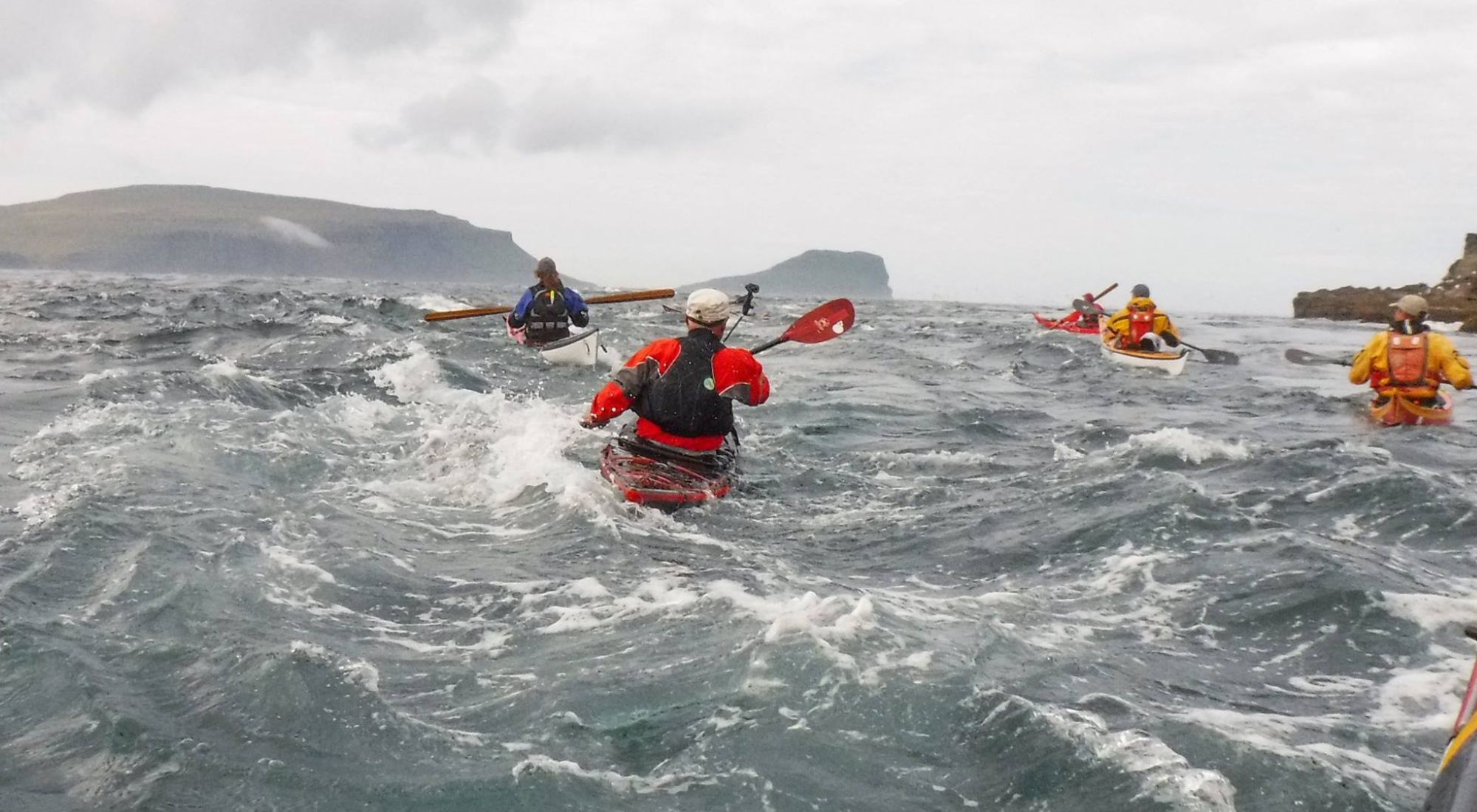
One of the most common mistakes travelers make is trying to fit too much into a short itinerary. While the Faroe Islands may appear small on a map, travel between islands, stops along scenic roads, and weather delays can make each day take longer than expected.
Another frequent issue is underestimating travel times, especially when ferries or remote roads are involved. Many visitors also make the mistake of planning rigid day-by-day schedules without accounting for changing weather, which can affect hikes, viewpoints, and transportation.
Finally, some travelers prioritize seeing as many places as possible instead of slowing down and enjoying the experiences each island offers. A well-paced itinerary almost always leads to a better trip.
How Do You Choose the Right Islands for Your Trip?
What Is the Best Island To Visit in the Faroe Islands?
How Many Days Do You Need for a Multi-Island Trip?
Testimonials
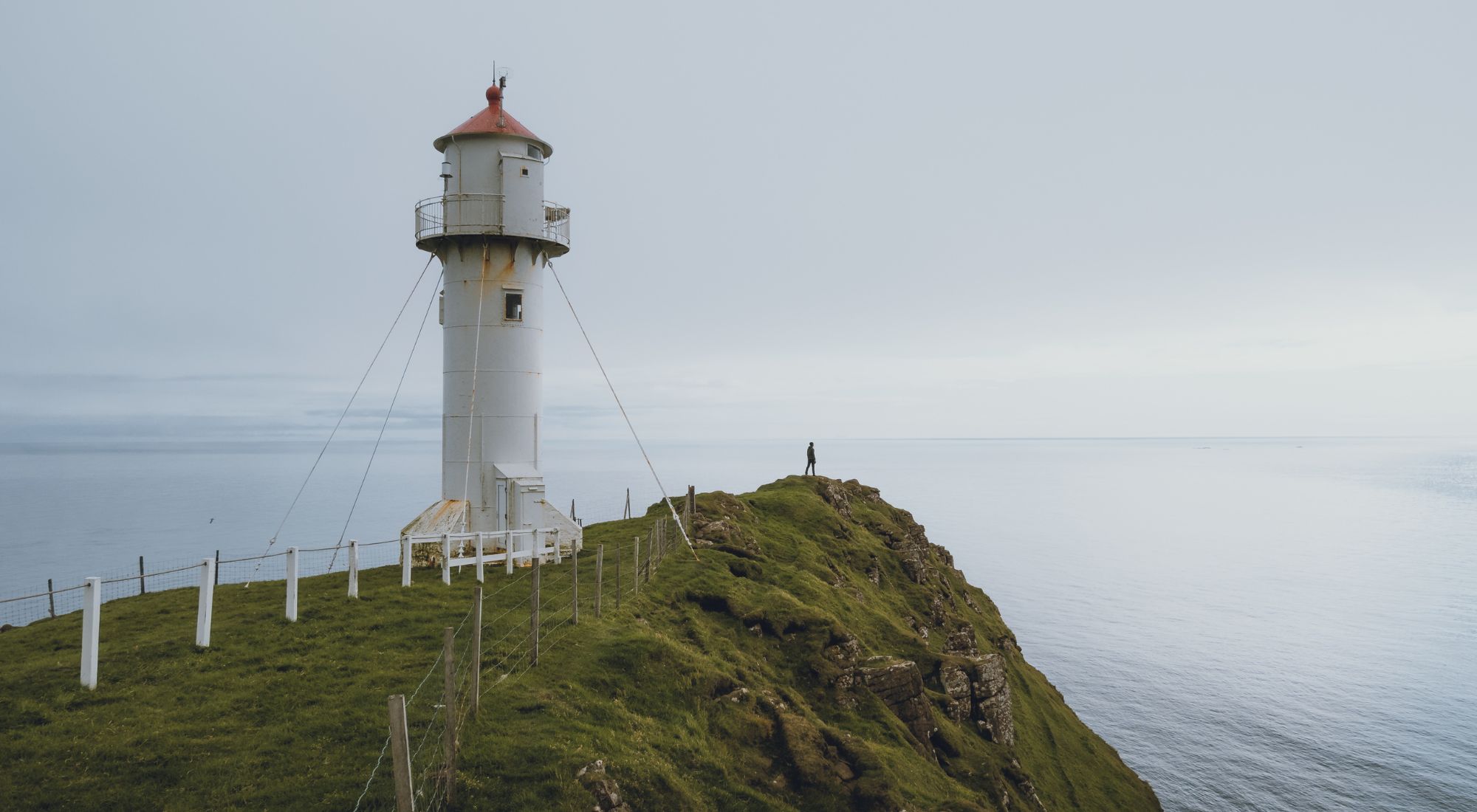
For travelers who want to experience the Faroe Islands in a more intentional and personalized way, REMÓT Travel offers a unique advantage. Their local Faroese team designs fully custom journeys built around your interests, pace, and priorities.
Rather than simply arranging transportation and accommodations, REMÓT Travel crafts trips around the moments that make travel memorable. That may mean hiking with a local guide, sharing a meal in a Faroese home, accessing places most visitors never think to seek out, or building an itinerary that reflects exactly how you want to experience the islands.
Whether you want dramatic hikes, cultural encounters, private hosts, or a seamless luxury itinerary, REMÓT Travel can help transform your trip from well-planned to truly unforgettable. Contact us today to begin designing your custom Faroe Islands journey.
Your bespoke Faroe Islands journey begins here. Our team is ready to tailor a seamless and unforgettable experience — entirely to you.