10 reasons to book with us

The Faroe Islands change beautifully with the seasons, offering something unique throughout the year. From endless summer daylight and vibrant festivals to peaceful winter nights beneath the northern lights, each season brings its own kind of magic. At REMÓT Travel, we help you choose the best time to visit based on what you want to experience, whether it is adventure, relaxation, or authentic cultural immersion, and craft a journey that perfectly matches your vision.
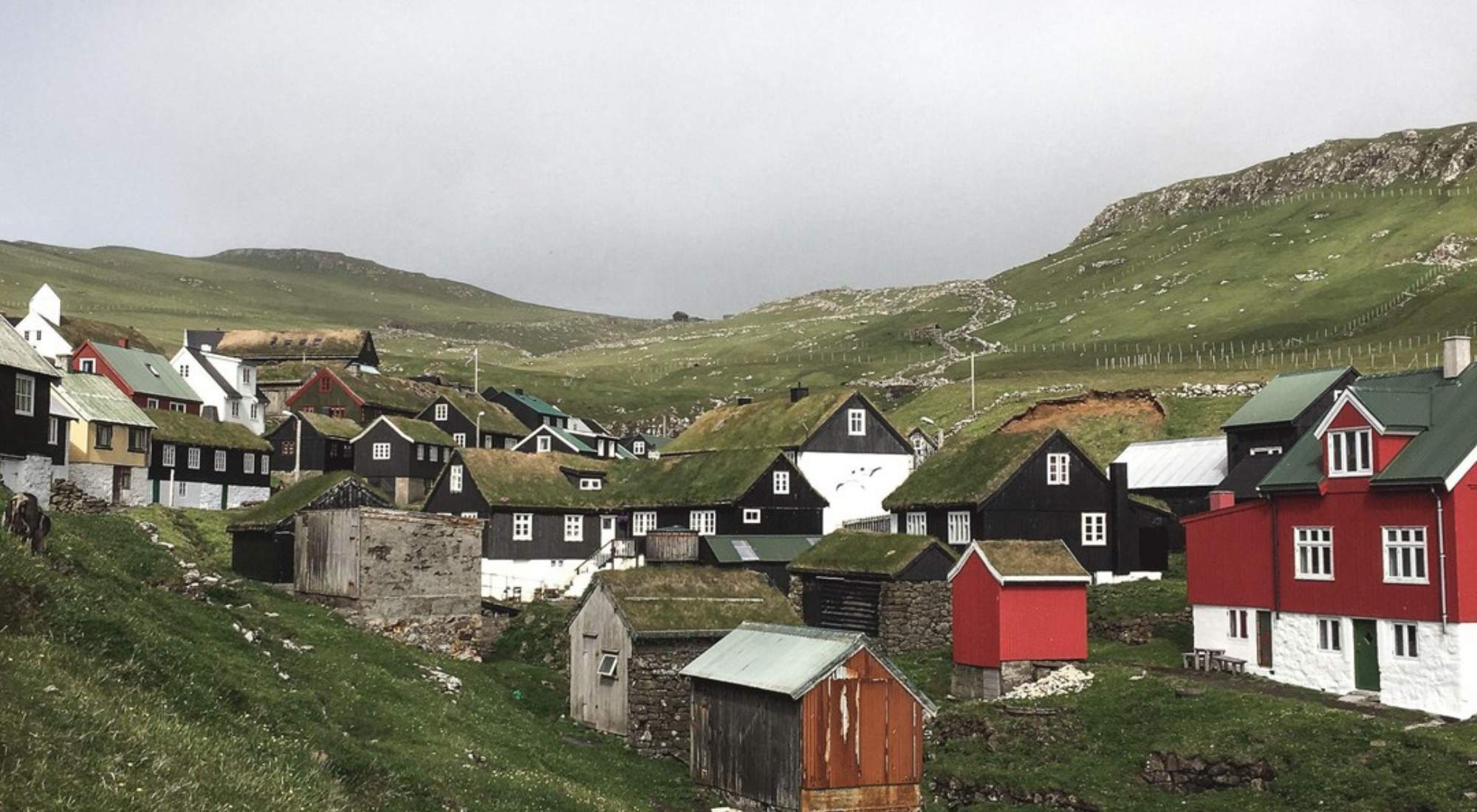
The answer is yes! You should visit both the Faroe Islands and Scotland!
But if budget or time constraints mean you must choose only one (for now, anyway), making that decision can be challenging. We’ll help by drawing your attention to what each destination has to offer and comparing those elements side by side.
With the stunning landscapes and thrilling adventures they both have to offer, we think Scotland and the Faroe Islands should make it on the top of your travel list. REMÓT Travel makes it happen with our Faroe Island and Scotland tour. Experience it all, and let us take care of all the details. Book your trip today.
If you’re torn between visiting the Faroe Islands or Scotland, the decision often boils down to what kind of escape you’re after — both destinations lean remote, but each offers a different flavor.
In general, the Faroes offer solitude and raw natural beauty for those seeking isolation and quiet wonder. Scotland invites visitors into a richer, more varied experience of heritage, adventure, and charm.
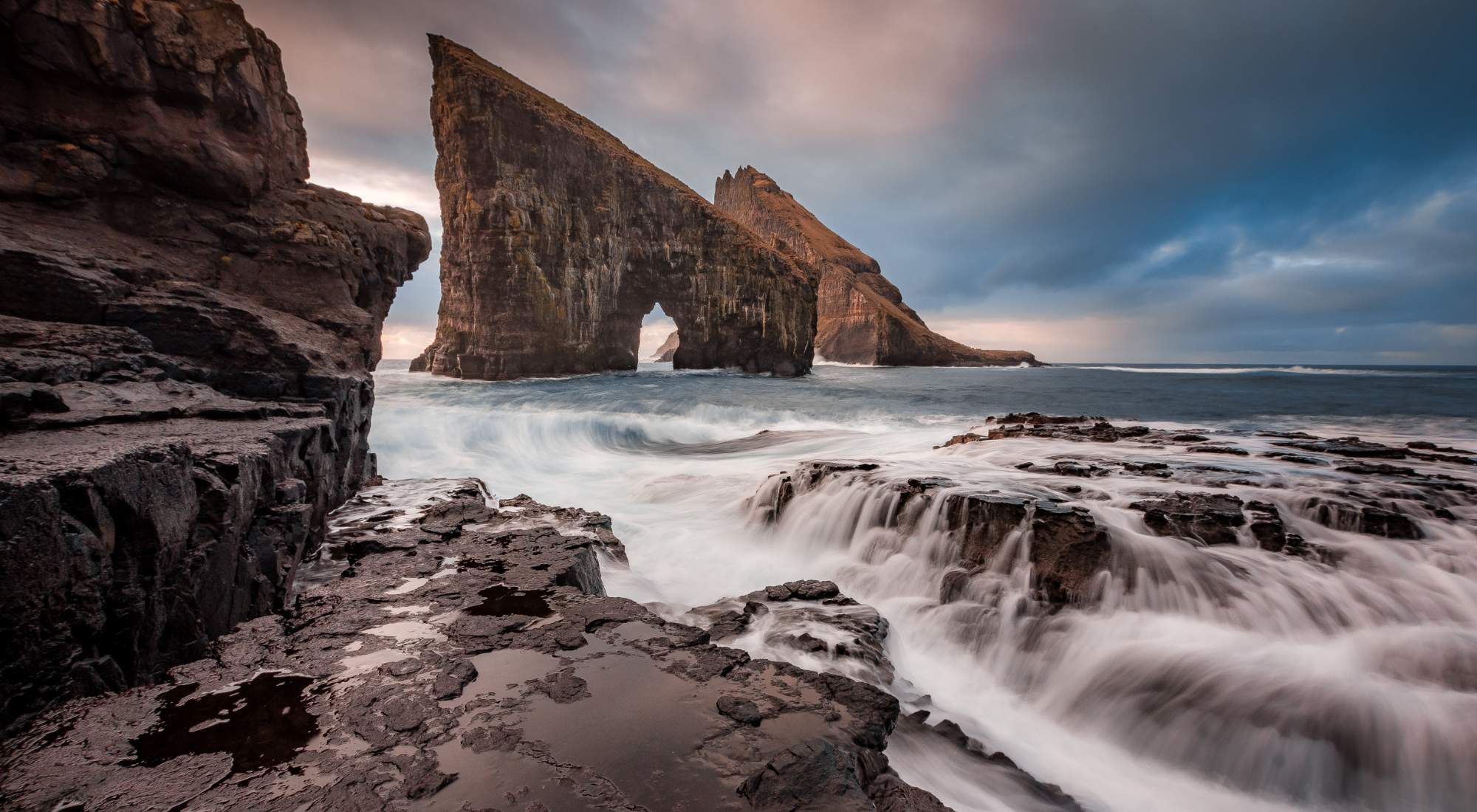
Travelers are drawn to the Faroe Islands for their rare combination of remoteness, breathtaking scenery, and quiet Nordic charm. This is a place where towering cliffs, sweeping fjords, and tiny grass-roofed villages create the feeling of stepping completely off the grid while at the same time offering adventure and culture around every turn. Here are some reasons why so many visitors fall in love with these dramatic islands:
Raw, untouched landscapes – Dramatic cliffs, emerald mountains, hidden waterfalls, and spots like Gásadalur.
Peaceful remoteness – A true escape where silence, solitude, and slow living define the atmosphere.
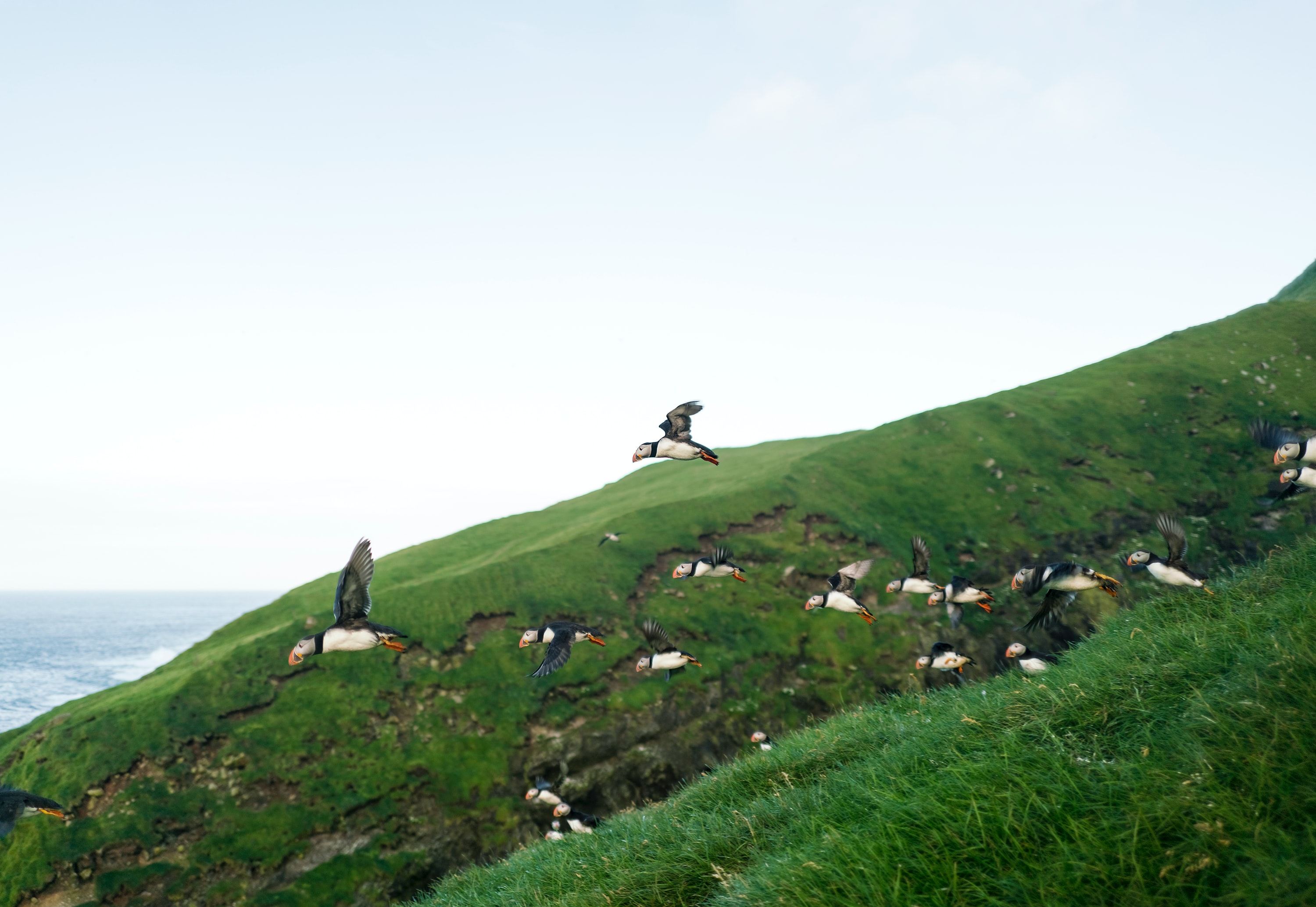
Outdoor adventure — World-class hiking, rugged coastlines, sea stacks, and abundant wildlife, especially puffins.
Unique Nordic culture – Warm hospitality, traditional villages, and “heimablídni” meals that bring travelers into Faroese homes.
Easy exploration – Well-maintained roads, short distances, and easy navigation make it perfect for road trips.
Local food and traditions – From fresh seafood to time-honored preservation methods, Faroese cuisine is a cultural experience in itself.
Travelers love Scotland for its perfect blend of dramatic scenery, deep-rooted history, and warm, lively culture. There’s something for everyone. Whether you’re drawn to ancient castles, rugged landscapes, charming cities, or world-class festivals, Scotland delivers it all without losing its sense of timeless character.
Scotland is a favorite destination because of its:
Stunning natural beauty – Moody Highlands, shimmering lochs, rugged coastlines, and peaceful isles that offer endless opportunities to explore.
Rich history and culture – Ancient castles like Eilean Donan and Urquhart, medieval cities, folklore, and centuries-old traditions still alive today.
Plenty of activities – From hiking and wildlife tours to whisky distillery visits, scenic drives, and island hopping.
World-famous events – Highlights like the Edinburgh Fringe Festival, the Highland Games, and countless local celebrations.
Welcoming atmosphere – Friendly locals, lively pubs, and a spirit of hospitality that makes visitors feel instantly at home.
Delicious food and drink – Iconic whisky, fresh seafood, hearty comfort dishes, and modern Scottish cuisine.
Easy travel and accessibility – Well-connected cities, user-friendly transportation, and varied regions that are simple to navigate.
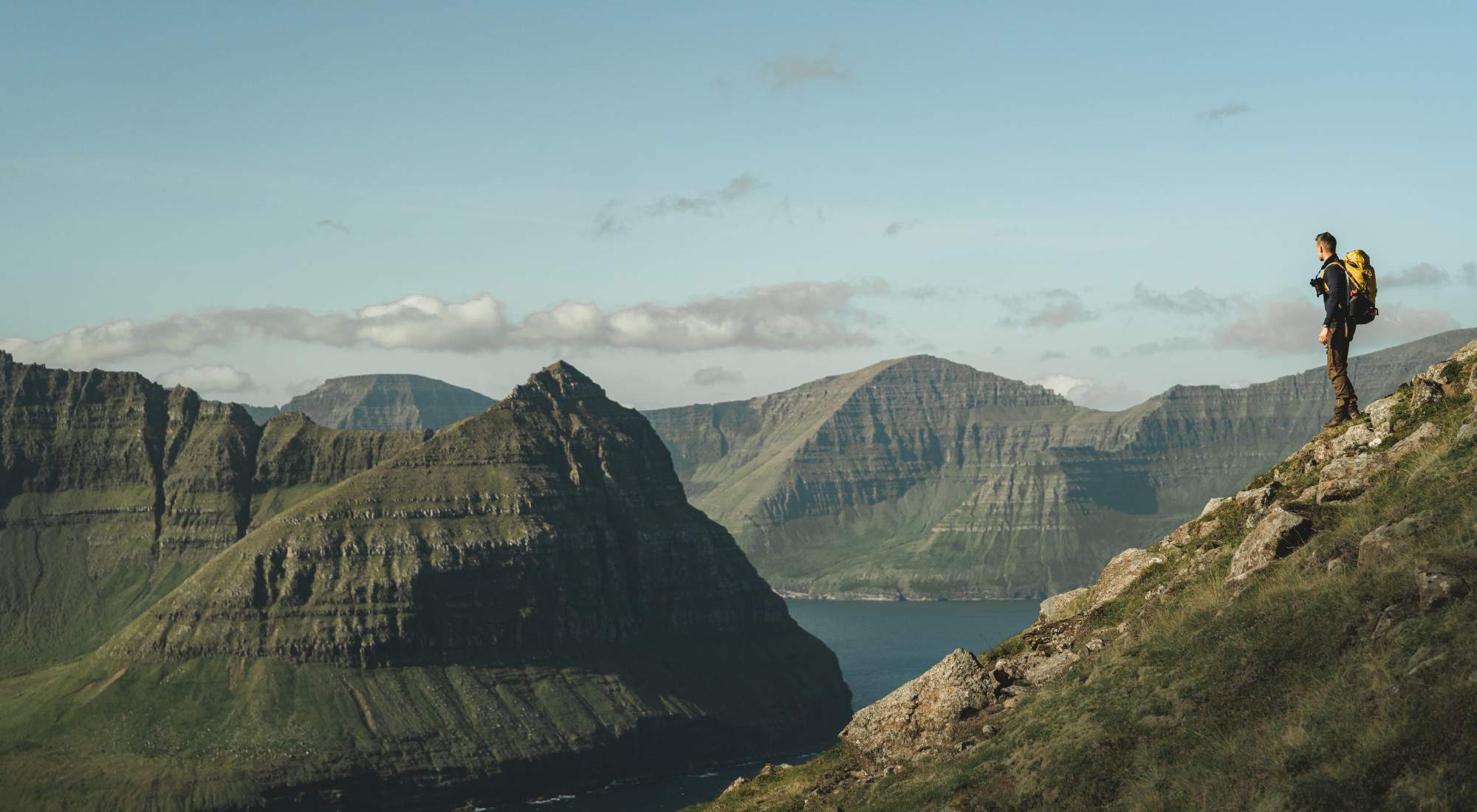
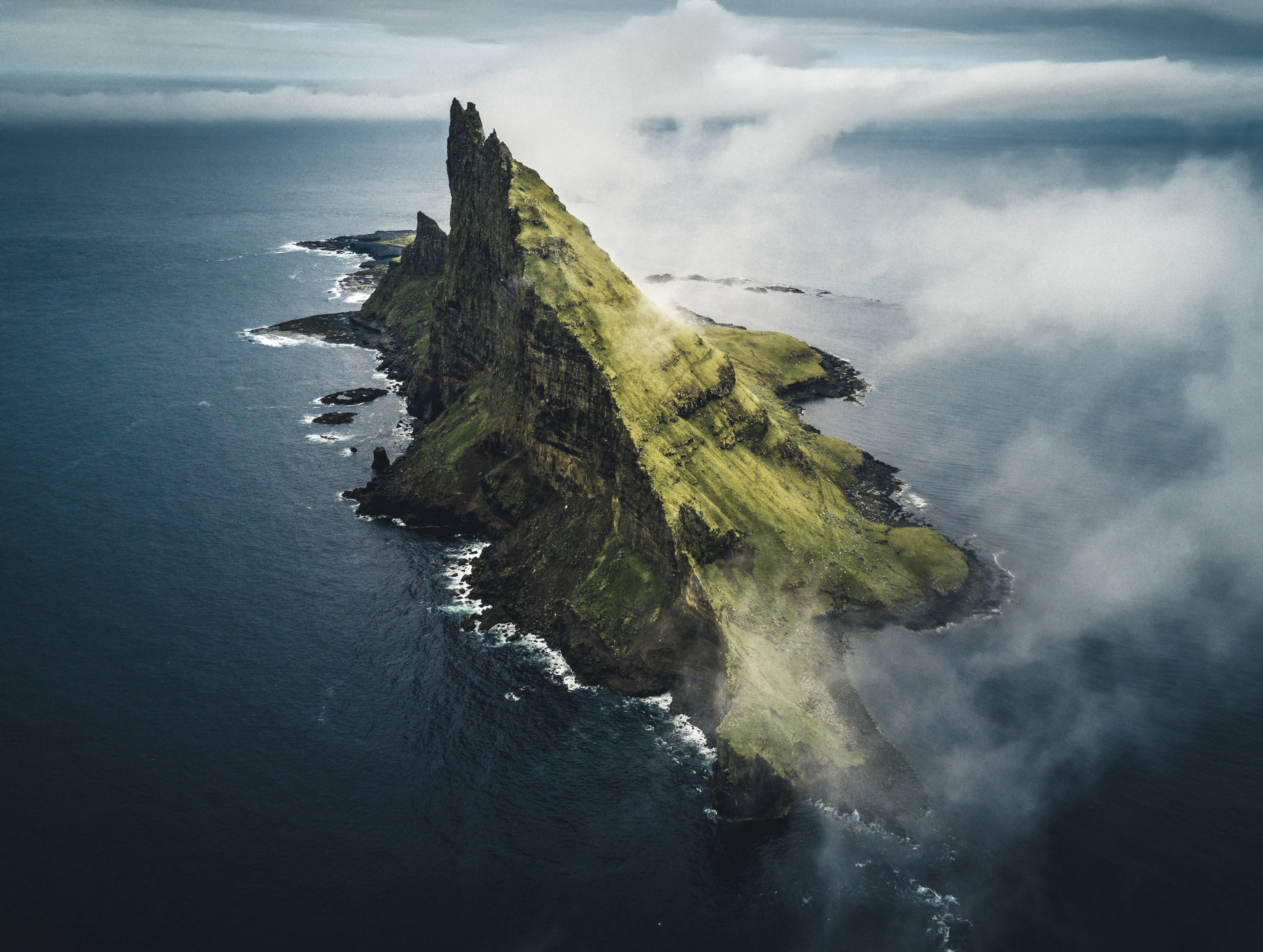
The Faroe Islands are a rugged, untouched world where nature is seen in its rawest form.
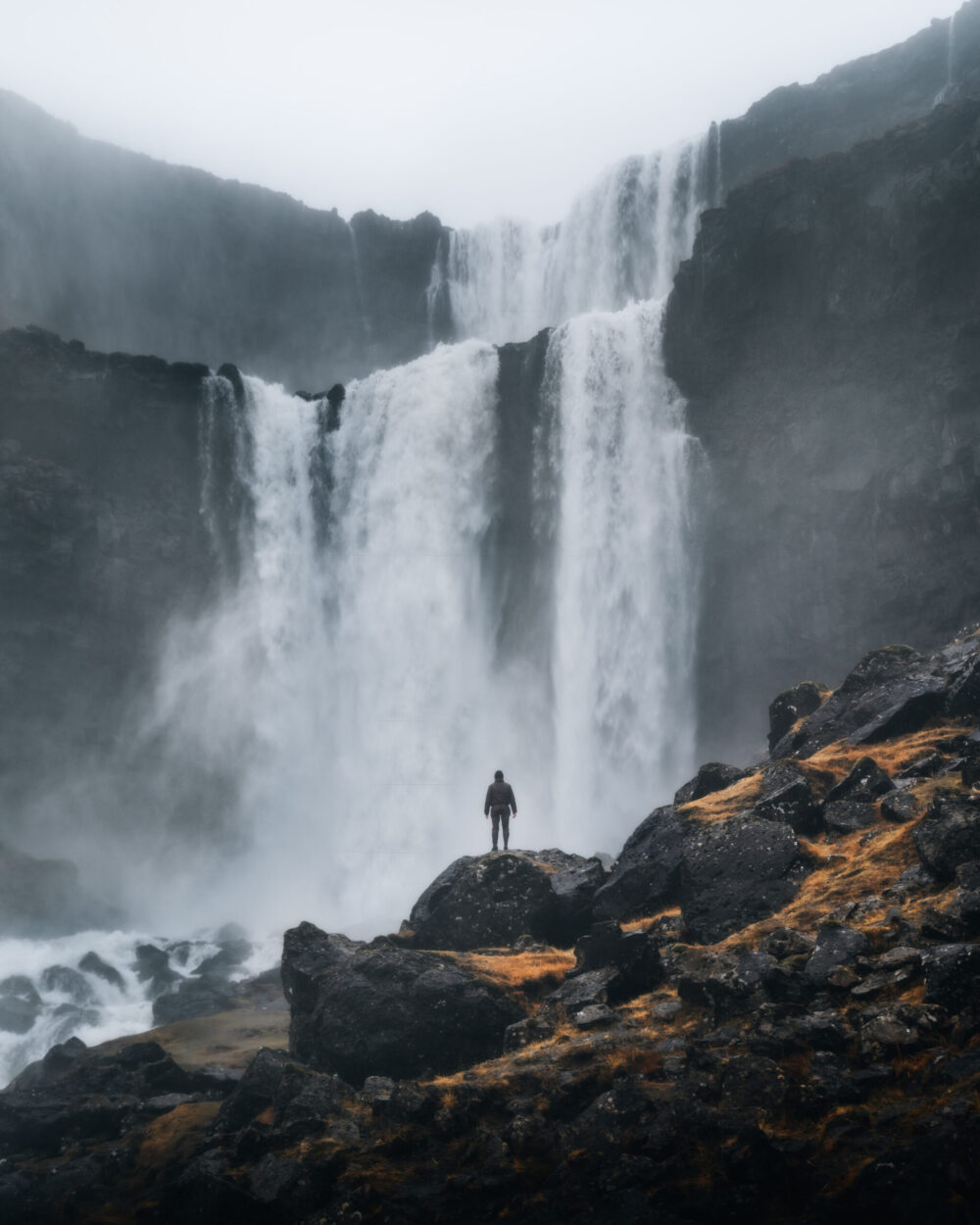
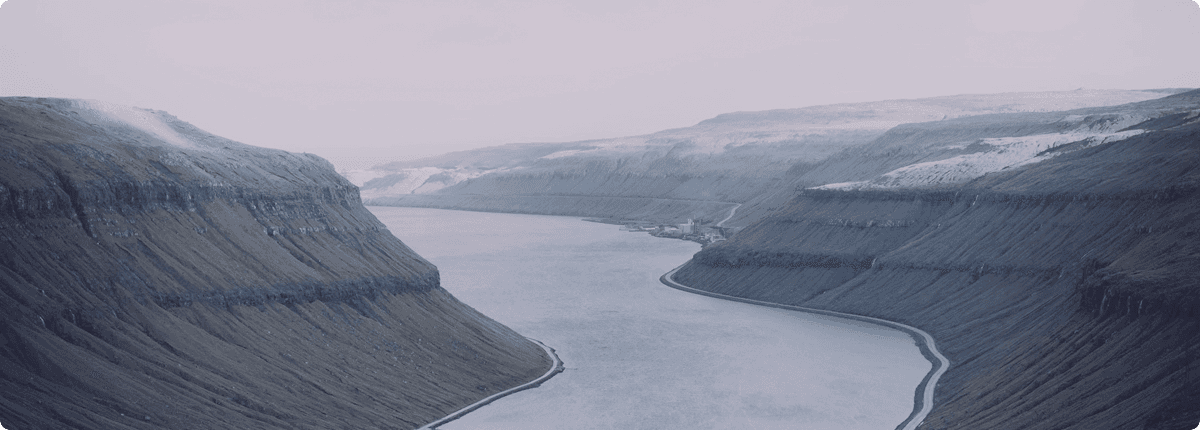
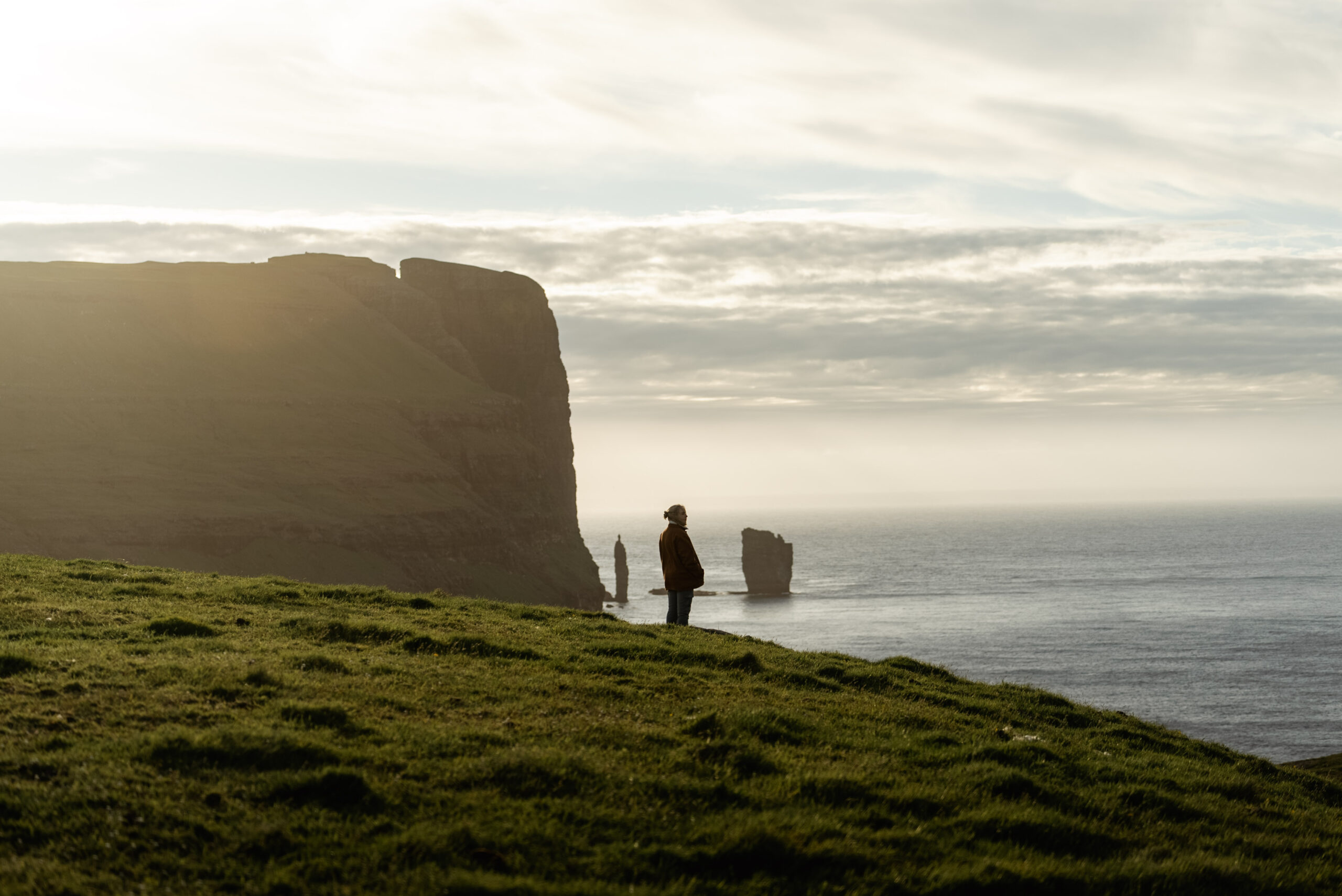
Across this volcanic archipelago, sheer sea cliffs rise sharply from the Atlantic, sea stacks stand tall along the coastline, and narrow ridgelines stretch across the landscape. Deep fjords carve through the islands, and waterfalls drop directly into the cold ocean below, creating dramatic scenery.
Limited tourism keeps the islands pristine, allowing visitors to experience steep hikes across hardy grasslands, windswept passes, and quiet villages tucked beneath towering mountains without crowds.
Scotland offers some of the most iconic and diverse scenery in Europe, blending rugged mountain ranges with quiet lochs, dramatic coastlines, and lush pastoral landscapes.
The Highlands are famous for their towering peaks, deep glens, and moody atmosphere. The Isles deliver windswept beaches, jagged cliffs, and pockets of wild solitude. Scotland’s countryside features rolling hills, heather-covered moors, peaceful villages, and centuries-old castles that give the region its unmistakable fairytale character.
Consider visiting these popular landscape locations:
Glen Coe – One of Scotland’s most dramatic valleys, known for its steep mountains and cinematic scenery.
Isle of Skye – Famous for its rugged coastline, the Quiraing, the Fairy Pools, and otherworldly rock formations.
Cairngorms National Park – A vast region of mountains, forests, and wildlife-rich landscapes in the heart of the Highlands.
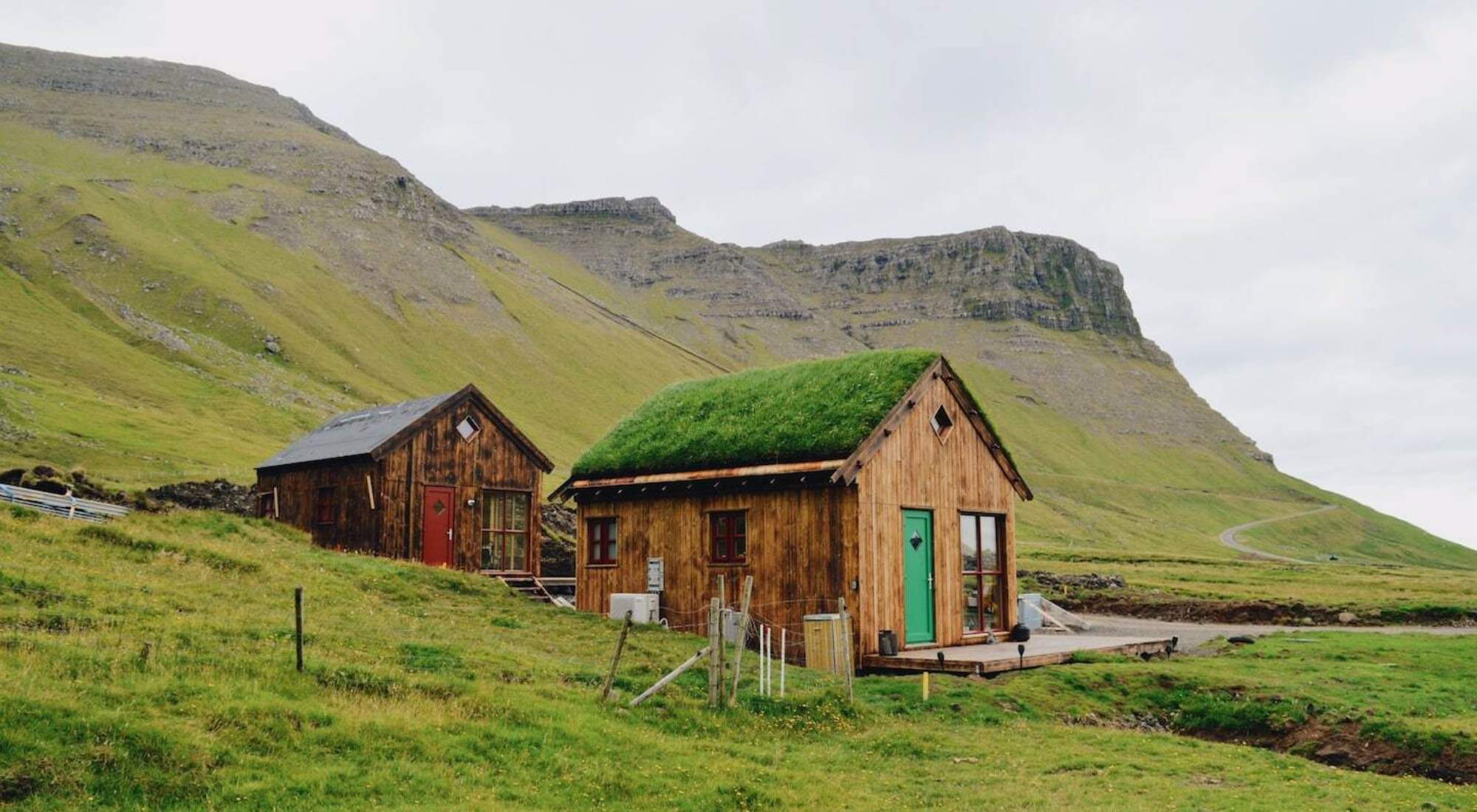
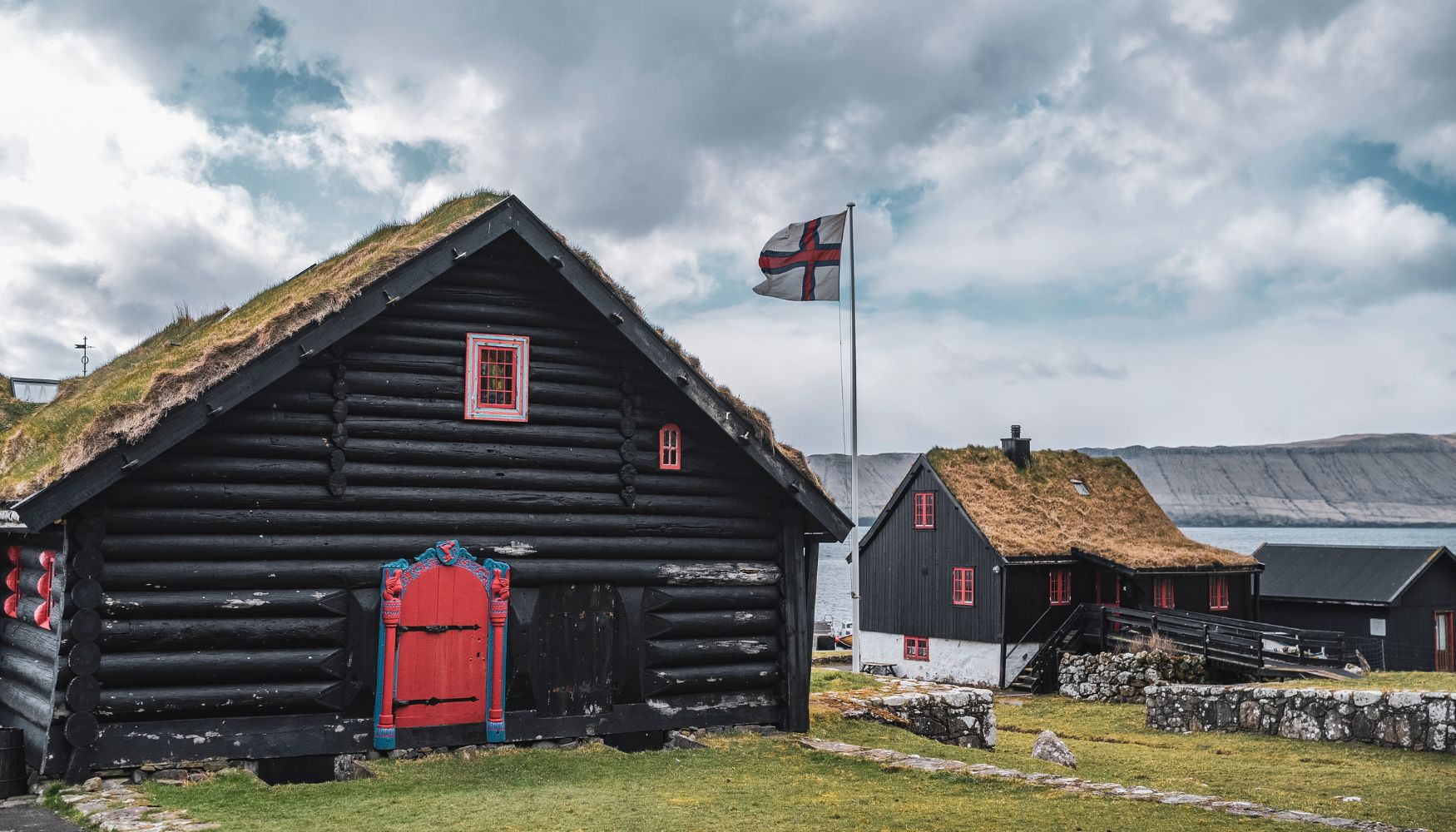
The Faroe Islands offer a culture deeply shaped by village life, Nordic roots, and a slower pace of living. With heritage tied to Norse and earlier Celtic settlers, the islands maintain strong traditions that can be seen in their language, turf-roofed homes, and enduring connection to the sea.
Daily life moves at a gentler pace, centered around close-knit communities, local craftsmanship, and long-standing customs. History is woven into every hillside, while modern cultural centers and local art studios add a contemporary vibe to the islands’ character.
Some notable cultural experiences include:
Ólavsøka, the Faroese national celebration
The historic site of Kirkjubøur
Home dining with locals (heimablídni)
Traditional turf-roofed villages
Puffin colonies and remote communities like Mykines
Experience Scottish culture in its traditions, music, and longstanding customs — from the familiar sound of bagpipes and the Highland Games, to the warm hospitality found in rural villages and urban pubs alike.
The history of Scotland unfolds across centuries: medieval clans, ancient castles, and a heritage shaped by both Gaelic and Scottish identity. Locals still celebrate traditional meals, music, storytelling, and dance, and visitors often find themselves immersed in community festivals, historic sites, and everyday Scottish life.
Consider adding these to your list of attractions to visit while in Scotland:
Dunnottar Castle (Aberdeenshire) – A dramatic clifftop castle ruin on the North Sea coast
Isle of Arran (viewed from Ayr Beach) – Sea, hills, and distant isles
Arthur’s Seat (Edinburgh) – Ancient volcanic hill overlooking Edinburgh
Loch Carron Viewpoint (Scottish Highlands) – Sea lochs surrounded by hills
Bow Fiddle Rock (Moray coastline) – A striking coastal rock formation rising from the sea
The Faroe Islands offer a wealth of adventure activities for nature lovers and thrill seekers alike, from remote hikes and birdwatching to boat trips along dramatic coastlines.
Some adventure activities to pursue in the Faroe Islands include:
Hike to Slættaratindur
Visit Mykines for puffin colonies and a trek to the lighthouse
Explore Vágar Island, including the Bøsdalafossur waterfall and Trælanípa “floating lake”
Take a boat tour to Vestmanna bird cliffs to see thousands of nesting seabirds
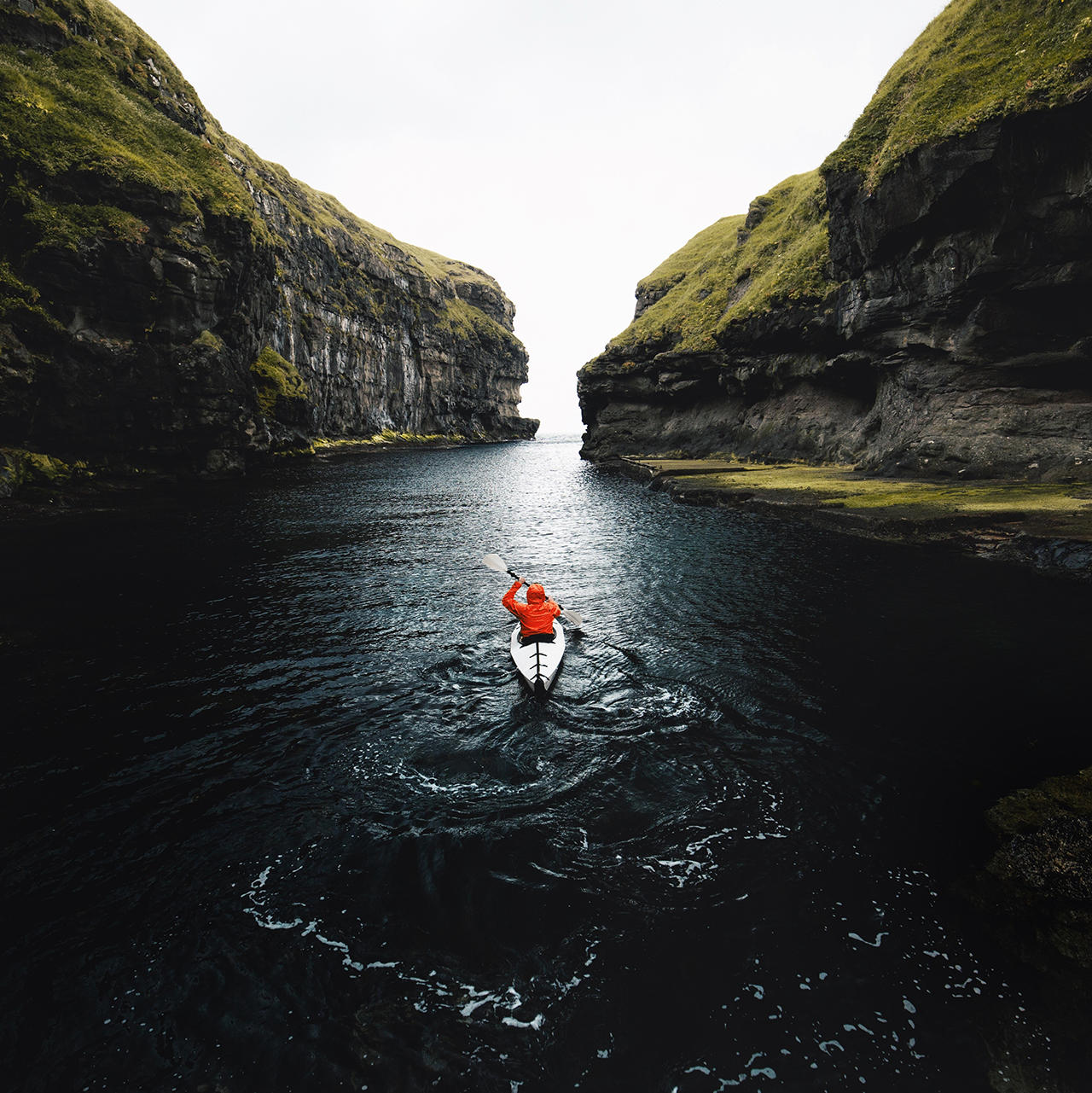
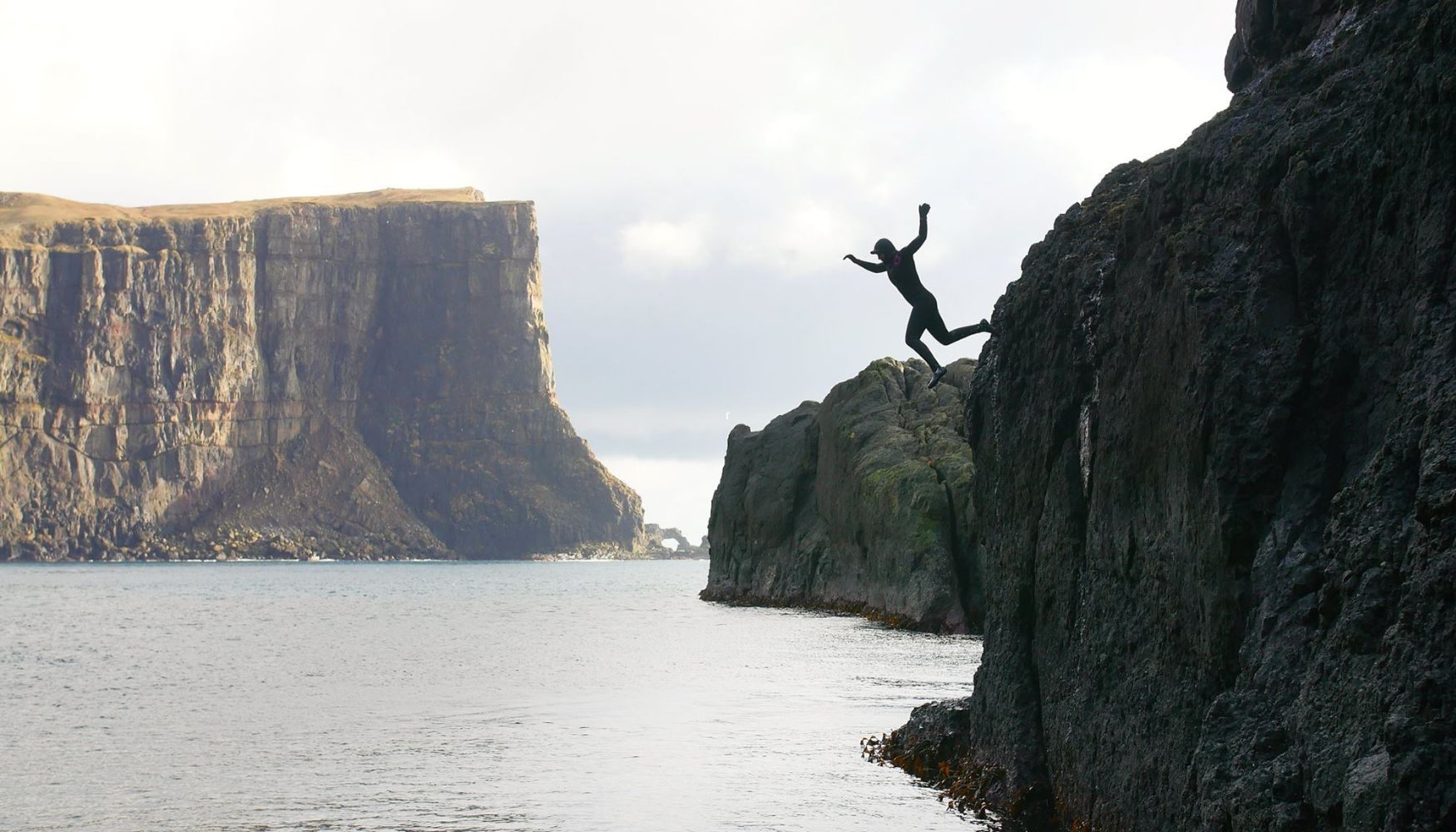
Sea kayaking along the rugged coastline
Hike to scenic viewpoints like Hvíthamar, Klakkur, and Kallur Lighthouse
Cycle or horseback ride through remote villages and dramatic landscapes
Scotland is the perfect destination for outdoor enthusiasts, with a combination of mountain climbs, coastal adventures, and wildlife encounters.
Try these outdoor excursions in Scotland:
Munro bagging – Climb Scotland’s mountains over 3,000 feet, including Ben Nevis and Buachaille Etive Mo
Island hopping – Explore the Hebrides, Orkney, and Shetland Isles by ferry or boat
Kayaking and canoeing – Paddle through lochs, rivers, and coastal waters
Hiking and hillwalking – From gentle trails like Ben A’an to challenging routes such as An Teallach
Wildlife watching – Spot red deer, seals, eagles, and puffins across diverse habitats
Mountain biking – Ride trails in forests, hills, and national parks
The Faroe Islands offer a distinctive culinary scene where traditional fermentation techniques meet modern fine dining, all centered on hyper-local ingredients like fresh seafood and lamb.
Visit these Faroese restaurants during your vacation:
KOKS – Two-Michelin-starred restaurant offering inventive dishes from local ingredients
Ræst – Creative interpretations of traditional Faroese cuisine
Barbara Fish House – Renowned for fresh seafood in Tórshavn
Áarstova – Historic setting serving traditional Faroese lamb dishes
Katrina Christiansen – International and fusion cuisine with vegan options
Heimablídni (Home Dining) – Experience authentic Faroese meals in a local home
Local cafes in Tórshavn – Casual spots for coffee, pastries, and regional dishes
Scotland’s culinary scene blends traditional fare with modern fine dining, offering everything from comforting pub meals to fresh coastal seafood and world-class whisky experiences..
Here are some popular places to eat and drink in Scotland:
The Sheep Heid Inn (Edinburgh)
The Kitchin (Edinburgh)
Arisaig Seafood Restaurant (Highlands)
The Ubiquitous Chip (Glasgow)
The Standing Order (Edinburgh)
Glenmorangie Distillery (Highlands)
The Three Chimneys (Isle of Skye)
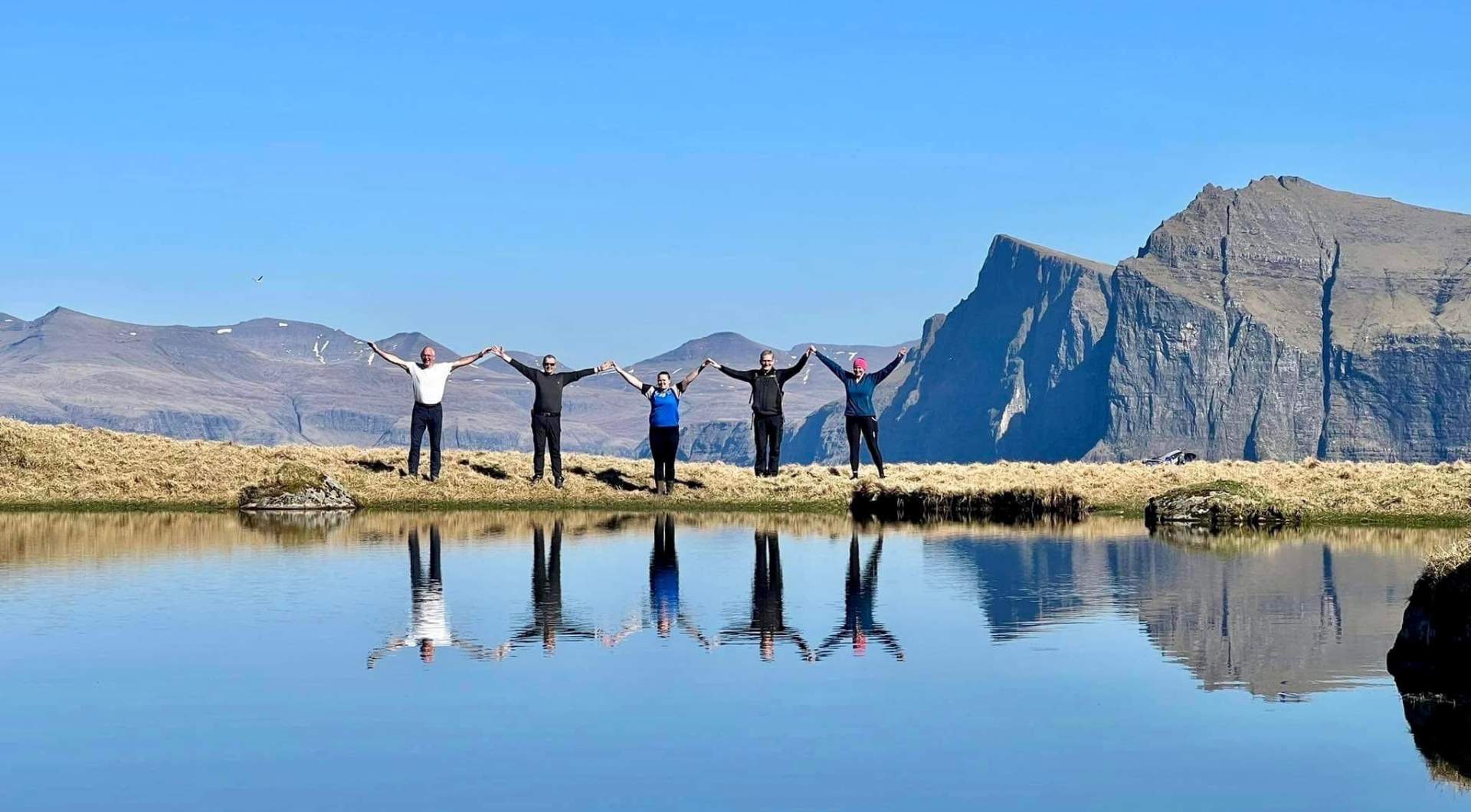
Absolutely! The Faroe Islands are worth visiting for anyone who values:
Dramatic, unspoiled landscapes
Peaceful remoteness
A distinctive Nordic culture
With soaring cliffs, lush mountains, cascading waterfalls, and grass-roofed villages, the islands offer a sense of stepping completely off the beaten path. Outdoor enthusiasts will find endless opportunities for hiking, birdwatching, and scenic drives, all in a safe and tranquil environment.
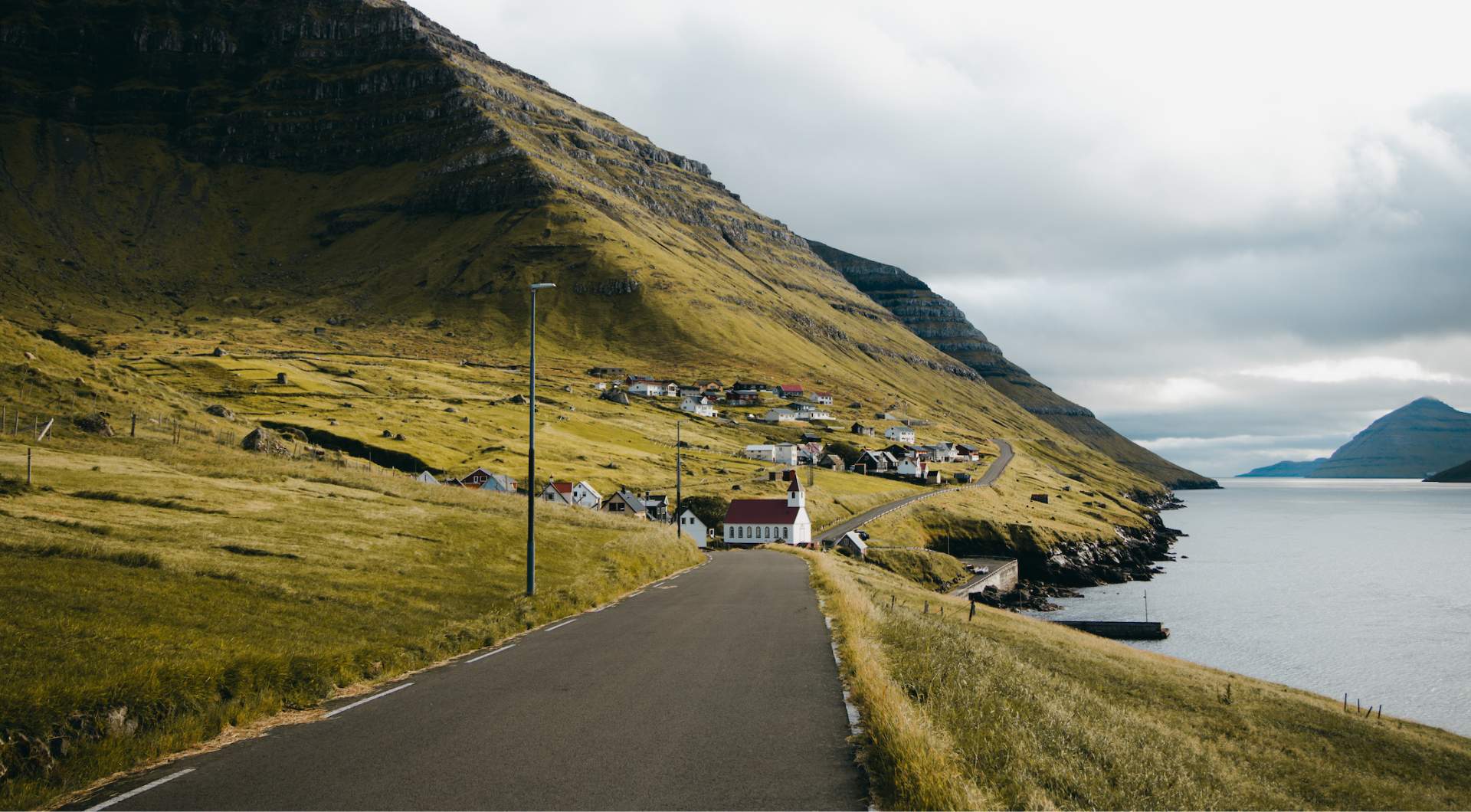
Here are some things to consider before visiting the Faroe Islands to make the most of your trip:
Cost: Car rentals, dining, and accommodations can be surprisingly expensive, so plan your budget accordingly.
Weather: The weather is highly unpredictable and can change rapidly, even in summer. Bring layers and waterproof gear to stay comfortable in all conditions.
Trip duration: To experience the main sights, plan for at least 3–5 days. A week or more allows for deeper exploration and outdoor adventures.
Planning and accessibility: Some shops and restaurants have limited hours, particularly on weekends, so check opening times in advance. Roads and tunnels make the islands fairly easy to navigate, but careful planning helps maximize your visit.
Crowds: Tourism is relatively low compared to other destinations like Iceland, offering a peaceful experience, but popular spots can still get busy in peak season.
Testimonials
If you’re ready to turn curiosity into a real adventure — now is the time to go. REMÓT Travel shows just how extraordinary a trip to the Faroe Islands can be when you experience it through the eyes of locals: private guided hikes, sea‑cliff boat tours, home‑cooked meals, village stays, and hidden‑gem viewpoints you won’t find in guidebooks.
If you’ve been weighing the Faroe Islands against somewhere like Scotland — and you crave remoteness, dramatic landscapes, authentic culture, and a journey that feels more like discovery than tourism — maybe it’s time to stop wondering if and start planning when.
When is the best time to visit the Faroe Islands?
Can I see the Northern Lights in the Faroe Islands?
What are the most popular summer activities?
Is winter a good time to visit?
Is there a bad time to visit the Faroe Islands?
Can I cancel or change my reservation?
Your bespoke Faroe Islands journey begins here. Our team is ready to tailor a seamless and unforgettable experience — entirely to you.